

A bathtub faucet that drips or streams from the spout after the handle is turned off is usually caused by a sealing problem in the shutoff mechanism, not by the spout itself. In most installations, the spout is the outlet. The leak happens because water is still passing through the valve, then exiting at the spout. The right fix depends on the faucet type, how the tub spout is connected, and whether the leak is a slow drip or a continuous flow.
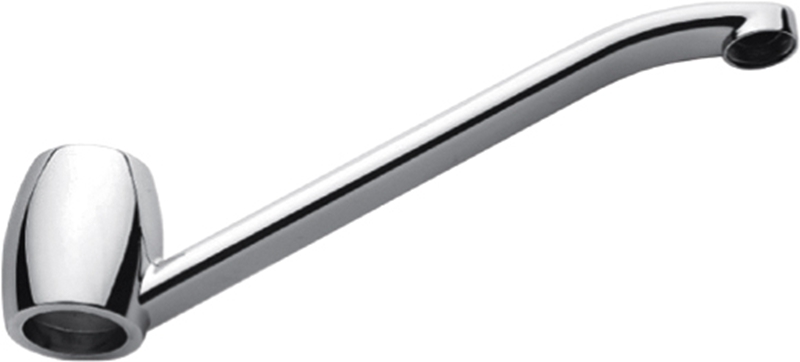
EBT supplies durable tub spout options designed for replacement and project use. If your existing spout is worn, corroded, difficult to seal, or you want a clean new finish after servicing the valve, see EBT’s tubular spout.
Confirm What Type of Leak You Have
Before taking anything apart, identify the leak pattern. This determines whether you should service the valve, the diverter, or the spout connection.
-
Slow drip only when the valve is off
This most often points to a worn cartridge, washer, or valve seat. The spout is only showing the symptom. -
Leak or trickle when the shower diverter is pulled
This is often related to a worn diverter gate or O-rings inside the tub spout diverter section, or a restriction that prevents full diversion. -
Water leaking from the wall behind the spout or from the spout base
This is more likely a spout connection sealing issue, damaged pipe stub-out, or poor thread/seal contact.
If you see water inside the wall or dripping from behind trim plates, stop and inspect carefully because hidden leaks can damage structure.
Common Causes of Spout Dripping After Shutoff
Worn cartridge or valve washers
Single-handle tub/shower faucets use a cartridge that controls hot/cold mixing and shutoff. Over time, internal seals wear and let water pass. Two-handle systems often use rubber washers that can harden or tear, causing seepage past the valve seat.
Mineral buildup on the valve sealing surfaces
Hard water deposits can prevent the cartridge or washer from sealing fully, even if the parts are not severely worn. This often causes a drip that slowly worsens.
High water pressure
Very high household pressure can magnify small sealing imperfections and make a minor seep turn into a steady drip. Pressure issues also accelerate wear on cartridges and washers.
Diverter wear in the tub spout
If your tub spout includes a pull-up diverter, internal O-rings and gates can wear. That wear does not usually cause “off-state dripping,” but it can cause unwanted trickle during shower mode or inconsistent diversion.
Tools and Materials You May Need
The exact repair depends on faucet type, but these are common items:
- Adjustable wrench or channel-lock pliers
- Screwdrivers (Phillips/flat)
- Allen key set if your handle uses a set screw
- Replacement cartridge or washer kit matched to your valve
- Plumber’s grease approved for O-rings
- PTFE tape for threaded connections when appropriate
- Silicone sealant only where the manufacturer recommends it
- Soft cloth to protect finished surfaces
Avoid aggressive tools directly on plated surfaces. Use a cloth barrier to prevent scratching.
Step-by-Step: Fixing a Tub Faucet That Leaks From the Spout
1) Shut off water and relieve pressure
Turn off the water supply to the bathroom or the whole house. Open the tub faucet to drain remaining water and relieve line pressure. Confirm the water is fully off before removing handles or trim.
2) Identify your faucet type: single-handle or two-handle
This step determines the internal parts you will service.
- Single-handle: most repairs involve replacing the cartridge.
- Two-handle: most repairs involve replacing washers and inspecting valve seats.
If you are unsure, remove the handle and look for a cartridge body or a stem assembly.
3) Remove the handle and trim carefully
Remove decorative caps if present, then remove handle screws or set screws. Pull the handle off gently. Remove trim plates to access the valve body. Keep parts organized so reassembly is straightforward.
4) Repair method A: Replace a cartridge in a single-handle valve
- Remove the retaining clip or bonnet nut that holds the cartridge in place.
- Pull the cartridge straight out. Some cartridges need a gentle rocking motion.
- Clean the valve body interior with a cloth and remove mineral buildup without scratching.
- Install the new cartridge in the correct orientation.
- Apply a small amount of plumber’s grease to O-rings if recommended by the cartridge manufacturer.
- Reinstall the retaining clip or bonnet nut, then reassemble trim and handle.
A cartridge replacement is the most direct solution for off-state dripping in single-handle tub faucets because it restores the shutoff seal.
5) Repair method B: Replace washers and inspect seats in a two-handle valve
- Remove the handle and escutcheon to access the stem.
- Unscrew the stem assembly and pull it out.
- Replace the rubber washer at the stem end.
- Inspect the valve seat inside the body. If it is pitted or rough, the new washer may not seal properly.
- If the seat is replaceable, remove and install a new seat. If not, the valve body may need professional service.
- Reinstall the stem and reassemble.
Two-handle leaks are often resolved by washer replacement, but a damaged seat can cause persistent dripping.
6) Check the tub spout connection if there is leakage at the base
If water is leaking from the spout base where it meets the wall, address the spout installation.
There are two common tub spout mounting styles:
- Slip-on spout: slides onto a copper pipe stub-out and is secured with a set screw.
- Threaded spout: screws onto a threaded pipe nipple.
For slip-on spouts:
- Loosen the set screw under the spout.
- Pull the spout off and inspect the pipe for scoring or deformation.
- Clean the surface and verify the pipe length is correct.
- Reinstall and tighten the set screw securely.
For threaded spouts:
- Unscrew the spout carefully.
- Inspect threads and the pipe nipple condition.
- Reapply PTFE tape if appropriate and reinstall.
If the spout is aged, corroded, or the diverter is worn, replacement can improve sealing reliability and appearance. EBT’s tubular spout is designed to support replacement needs where a clean finish and stable installation matter.
Troubleshooting Table: Symptoms and Best Fix
| Symptom | Most Likely Cause | Best Fix | What to Avoid |
|---|---|---|---|
| Drip from spout when valve is off | worn cartridge or washer | replace cartridge or washer/seat | only replacing the spout without servicing valve |
| Trickle during shower mode | worn diverter or restrictions | service or replace diverter/spout | forcing diverter or ignoring mineral buildup |
| Leak behind spout at wall | loose connection or damaged stub-out | re-seat spout and verify fit | sealing with excessive caulk instead of fixing fit |
| Drip worsens quickly | debris or pressure issues | flush system, check pressure, replace seals | overtightening parts, damaging threads |
When It Makes Sense to Replace the Tub Spout
Even if the valve is the main cause of dripping, the spout may still be worth replacing in these cases:
- The diverter is worn and cannot fully divert water to the shower
- The finish is corroded, stained, or difficult to clean
- The spout connection surfaces are damaged and do not seal reliably
- You want to refresh the look after repairing the valve internals
If you need a replacement option designed for reliable installation and a clean appearance, see EBT’s tubular spout.
Final Checks After Repair
After reassembly:
- Turn water back on slowly and check for leaks at the trim, spout base, and diverter
- Run hot and cold water to confirm stable shutoff
- If the spout has a diverter, test both tub and shower modes
- Watch for delayed dripping after shutoff; a brief residual drip can be normal as water drains from the spout, but continuous dripping indicates a sealing problem remains
Conclusion
A bathtub faucet leaking from the spout is most commonly caused by worn internal shutoff parts, such as a cartridge in a single-handle valve or washers and seats in a two-handle valve. Fixing the leak usually means servicing the valve first, then checking the spout connection if there is leakage at the wall. Replacing the tub spout is a practical upgrade when the diverter is worn, the finish is degraded, or you want a clean, reliable installation after repairs. For replacement-ready options, explore EBT’s tubular spout.