

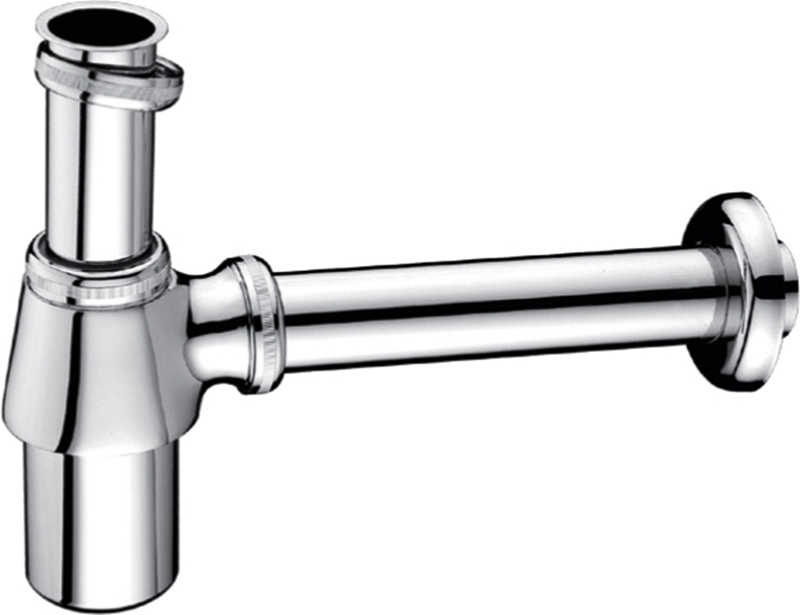
A bottle trap is a type of plumbing trap installed under a basin or sink to prevent sewer odors from entering the room while still allowing wastewater to drain efficiently. It is called a bottle trap because the trap body forms a bottle-like chamber where water remains after each use. That standing water creates a seal that blocks gases from the drainage system, which is the same purpose as a traditional P-trap, but achieved with a different internal shape.
EBT supplies durable, installation-ready options for residential and project applications. You can view the product here: brass bottle trap.
What a Bottle Trap Does in a Plumbing System
A trap is a required functional part of most sink installations. Without a trap, unpleasant and potentially harmful gases from the drain line can travel back through the sink outlet into the indoor space. A bottle trap solves this by holding a small amount of water inside the chamber after the sink drains. That water barrier remains in place until the next time the sink is used.
A bottle trap also provides a convenient access point for maintenance. Many bottle traps are designed so the bottom section can be opened for cleaning, which helps remove hair, soap residue, and small debris without dismantling the entire drain assembly.
Bottle Trap vs P-Trap: The Real Differences
Both bottle traps and P-traps serve the same core function, but they differ in layout, aesthetics, and service approach.
- A P-trap forms a curved pipe section that creates a water seal. It is widely used and often preferred where space allows and where the drain outlet position matches well.
- A bottle trap concentrates the water seal inside a compact chamber. It is often selected when the plumbing will be visible and needs a cleaner look, such as under a wall-hung basin or a vanity with an open shelf.
From a design perspective, bottle traps are commonly used in bathrooms where the under-sink area is part of the visible installation. From a maintenance perspective, the removable chamber can simplify cleaning compared with some traditional trap layouts.
Where Bottle Traps Are Commonly Used
Bottle traps are most often used under:
- Bathroom basins and washstands, especially wall-hung basins
- Guest bathrooms where visible plumbing needs a neat finish
- Commercial wash areas where appearance and service access matter
- Vanity installations where space is tight and the trap must fit cleanly
They are less common in kitchen sinks because kitchen drainage typically includes more grease and food residue, and many kitchens use larger plumbing arrangements and additional components.
Key Parts of a Bottle Trap and How Each Part Matters
A bottle trap is more than a decorative drain piece. Understanding its parts helps buyers choose the right specification and avoid installation issues.
Trap body and water-seal chamber
This is the main bottle-shaped housing. The chamber holds the water seal and directs flow into the outlet. A well-made body should have stable threads, consistent wall thickness, and good sealing surfaces to prevent weeping at joints.
Inlet connection
The inlet connects to the sink waste outlet. Correct sizing and thread compatibility reduce the need for adapters and help maintain a clean, centered installation.
Outlet connection
The outlet connects to the wall drain or horizontal waste pipe. Many installations require alignment adjustment, so consistent machining and proper sealing design are important for leak prevention.
Clean-out cup or removable base
This is a practical advantage of bottle traps. It allows access to remove debris, retrieve small dropped items, and clean buildup. Good sealing here matters because this is a frequent open-close point during maintenance.
EBT’s brass bottle trap is positioned for projects that require a reliable trap structure and a clean visual result.
Why Brass Bottle Traps Are Often Preferred
Bottle traps are made from different materials in the market. Brass is commonly chosen for visible bathroom plumbing because it combines durability with finish quality.
Corrosion resistance for wet environments
Bathroom plumbing is exposed to moisture, cleaning products, and temperature changes. Brass is a stable material for these conditions and is widely used for bathroom fittings where long-term appearance matters.
Better feel and visual consistency for exposed installations
When the trap is visible, buyers usually want a solid appearance, stable finish, and a refined look. A brass body supports premium plating or surface finishes more consistently than lightweight materials.
Reliable threads and sealing surfaces
A good trap relies on machining accuracy. Brass components commonly provide stable thread engagement and sealing faces, helping installers achieve leak-free joints with correct assembly.
What to Check Before Choosing a Bottle Trap
Bottle traps are not one-size-fits-all. These checks reduce returns and installation delays.
- Outlet position: confirm wall outlet height and the distance from the basin waste outlet to the wall drain.
- Connection size: verify inlet and outlet dimensions required by your basin waste and local plumbing practice.
- Available space: ensure the trap body clears drawers, shelves, or vanity structure.
- Maintenance access: confirm there is room to open the clean-out cup without removing the entire trap.
- Finish matching: if the trap is visible, match it to your faucet and waste finish for a consistent look.
Installation Overview: How a Bottle Trap Is Typically Fitted
A bottle trap installation is usually straightforward, but correct alignment and sealing are critical.
- Assemble the trap dry first to confirm alignment and orientation.
- Ensure sealing washers are seated correctly and surfaces are clean.
- Tighten by hand to seat seals, then apply final tightening carefully to avoid damaging threads or compressing washers unevenly.
- After installation, run water for several minutes and check all joints for slow seepage, especially at the clean-out cup and connection nuts.
A professional-looking bottle trap installation is usually the result of correct alignment and clean finishing, not excessive tightening.
Maintenance: How to Clean a Bottle Trap Without Removing It
Bottle traps are chosen partly because they are service-friendly.
- Place a container under the trap.
- Open the clean-out cup slowly to drain water and remove debris.
- Rinse and wipe the inside of the cup and sealing area.
- Reinstall the cup and tighten to the correct seal.
- Run water and confirm there is no dripping from the base.
This routine helps prevent slow drainage and reduces odor issues caused by trapped residue.
Practical Comparison Table for Buyers
| Feature | Bottle Trap | P-Trap | Why It Matters |
|---|---|---|---|
| Appearance under open basins | clean, compact, often preferred | visible curved pipe | important for premium bathroom design |
| Maintenance access | removable cup supports quick cleaning | may require disassembly | reduces service time in projects |
| Space efficiency | compact chamber | depends on bend radius | useful in tight vanity layouts |
| Typical application | bathroom basins | bathrooms and kitchens | choose based on drainage type and layout |
Why Many Projects Specify an EBT Bottle Trap
For B2B sourcing, a bottle trap is often treated as both a functional part and a visible hardware component. Buyers typically want stable quality control, consistent finish, and straightforward installation. EBT’s brass bottle trap supports projects where under-basin plumbing needs to look organized while still offering practical clean-out access.
Conclusion
A bottle trap is a compact sink trap that blocks sewer odors by maintaining a water seal inside a bottle-shaped chamber. It is widely used under bathroom basins, especially when the plumbing is visible and a clean appearance is important. Compared with a P-trap, a bottle trap can provide a neater look and simpler cleaning access through a removable cup. If you want a durable, visible-ready option for bathroom installations, explore EBT’s brass bottle trap for project and replacement needs.